Monroe Journal
Just MercyThe Monroe Journal is a local newspaper in the account of Walter McMillian’s case, and its coverage illustrates how reporting could reinforce a public image of guilt before the disputed evidence had been resolved. It described courtroom security and relayed officials’ attacks on outside journalists, while McMillian’s lawyers hoped national coverage might make the evidence of his innocence more widely understood.
Coverage of McMillian’s Case
The paper’s accounts helped build a narrative of McMillian as a threat. Local newspapers described him as a drug kingpin, sexual predator, and gang leader; the Monroe Journal also reported on the metal detector and officers stationed around the courtroom. Those security details appeared alongside sensational claims about McMillian, including headlines about sodomy charges. In the account of the case, the cumulative press emphasis on his pretrial confinement on death row and the precautions at court presented him as dangerous, even as the defense challenged the evidence against him.
The paper also carried assertions connecting McMillian to other crimes. Before the national television report aired, a Monroe Journal account reported District Attorney Tommy Chapman’s belief that the 60 Minutes researchers had made up their minds before arriving. Chapman used an arrest photograph showing McMillian with long hair and a beard to argue that the man interviewed at Holman Prison was not the same person arrested for the murder. The Journal added that Chapman had offered CBS the arrest photograph, which the network was not interested in; McMillian’s clean-shaven appearance in prison reflected the requirement that Alabama prisoners remain clean-shaven.
Response to Outside Reporting
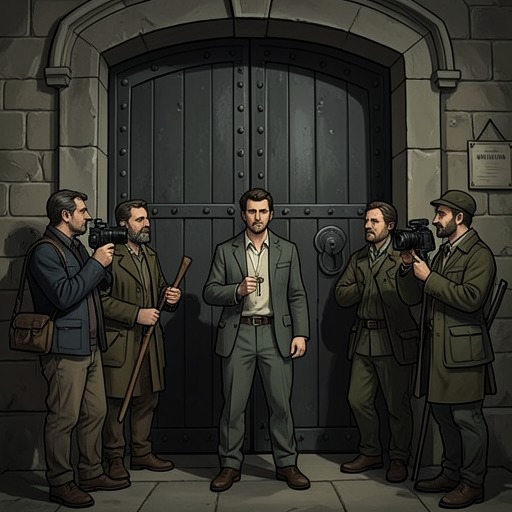
When veteran reporter Ed Bradley and producer David Gelber came from New York City to interview witnesses and other people connected with the case, the Monroe Journal objected to what it characterized as a familiar genre of outside journalism. An editorial complained that too many visiting writers showed open scorn for local people and institutions, made only a superficial effort to gather facts, and had sometimes been demonstrably inaccurate. It said the community could do without more coverage of the “big-time reporter comes to hick town” genre.
The paper’s skepticism was also visible before the 60 Minutes segment appeared. By reporting Chapman’s accusation that the researchers had arrived with their conclusions already formed, the Journal carried a prosecutor’s challenge to the investigation’s impartiality while the reporting was still underway. After the program aired months later, local officials and newspapers continued to discredit it; the Mobile Press Register, rather than the Monroe Journal, headlined Chapman’s condemnation of the television account as a “Disgrace.”
Press Narrative and the Case
The Monroe Journal’s coverage formed part of a wider local press environment in which claims of McMillian’s dangerousness circulated alongside the prosecution’s account. The book contrasts that narrative with the defense’s effort to present evidence that McMillian had not committed the murder. At a hearing, supporters of the prosecution left rather than hear evidence supporting his innocence; his lawyers nevertheless hoped national reporting would change how the case was understood.
The paper’s editorial defense of local institutions and its reporting of Chapman’s objections gave readers a competing frame for the national investigation: not simply whether the evidence supported McMillian’s conviction, but whether outsiders could be trusted to examine the community fairly. The account does not establish the newspaper’s ownership, organization, or broader editorial history; its significance here lies in the concrete role its reporting played in contesting the meaning and credibility of publicity surrounding McMillian’s case.